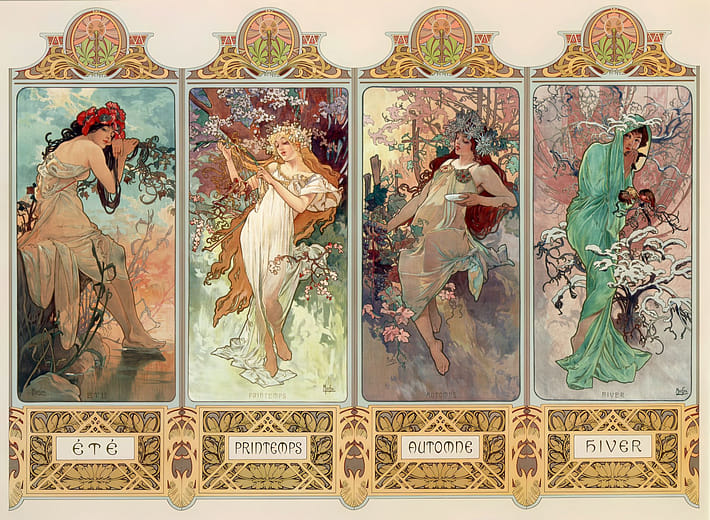
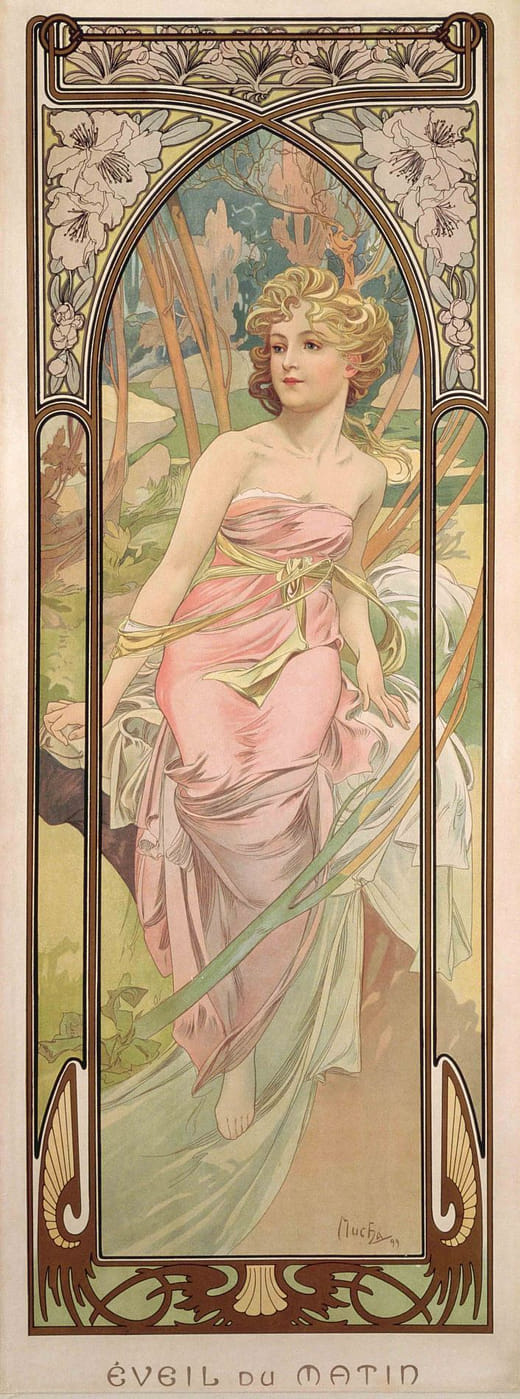
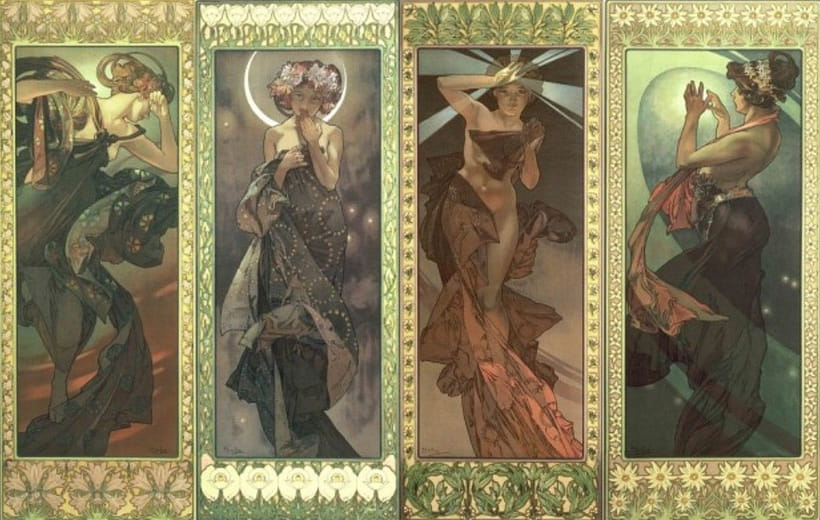
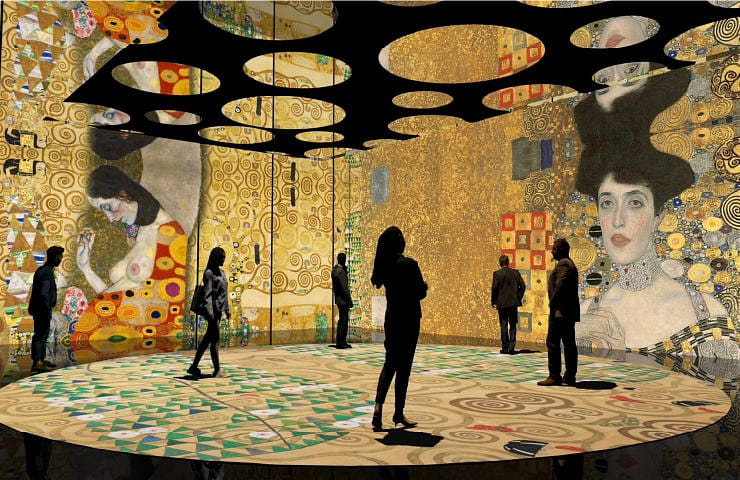
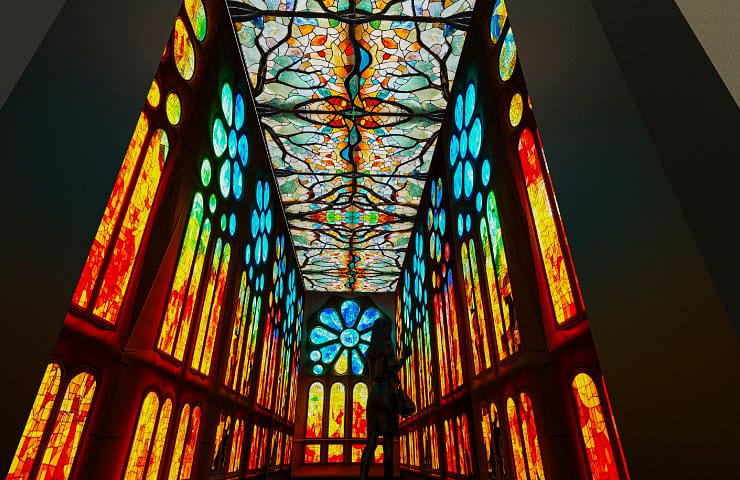
“The Eternal Kingdom” showcases the masterpieces of three great masters of Art Nouveau architecture and crafts, who opened a new era of art and architecture, moving from tradition to modernity with their innovative ideas and use of modern materials.
Otto Wagner, an Austrian architect and urban planner born in 1841 and who died in 1918, was a pioneer of modernist architecture. He proposed that architecture should reflect modern needs, emphasizing functionality and simplicity. He used materials like glass, steel, and concrete to create entirely new forms of architecture. As a professor at the Vienna Academy of Fine Arts, Wagner influenced an entire generation of architects and played a key role in the transition of European architecture from historicism to modernism. Wagner's works and ideas laid the foundation for 20th-century architecture.
Victor Horta, a Belgian architect born in 1861 and passed away in 1947, is known for his innovative designs and organic, natural lines in architecture.Having lived in Paris’s Montmartre, he was inspired by the pointillist painting technique of the Impressionist movement, which laid the foundation for his use of iron and glass as mediums for architectural creativity. His representative work, the Hôtel Tassel, was the first true Art Nouveau building, utilizing modern materials like iron and glass. Its cast-iron, grass-green tones and light grey exterior blend fluid lines and natural forms, creating a space filled with light and beauty. Horta perfectly integrated structure and decoration, and many of his architectural works are listed as UNESCO World Heritage Sites.
Hector Guimard (1867–1942), the leader of the French Art Nouveau movement, was known for his designs inspired by nature. His most iconic works are the entrances to the Paris Métro, featuring organic, flowing lines, cast-iron frames, and floral decorations that have become symbols of Art Nouveau. Guimard's creations also included residential buildings and furniture design, characterized by asymmetric shapes and natural elements, pioneering modern design.
The Firenze Cultural Exchange’s Immersive Art Exhibition of Art Nouveau invites you to explore and understand how these masters of the Art Nouveau movement revolutionized traditional architecture and public landscapes, transforming everyday buildings from cold and uninviting to warm, artistic spaces that combine functionality with beauty, creating timeless classics.