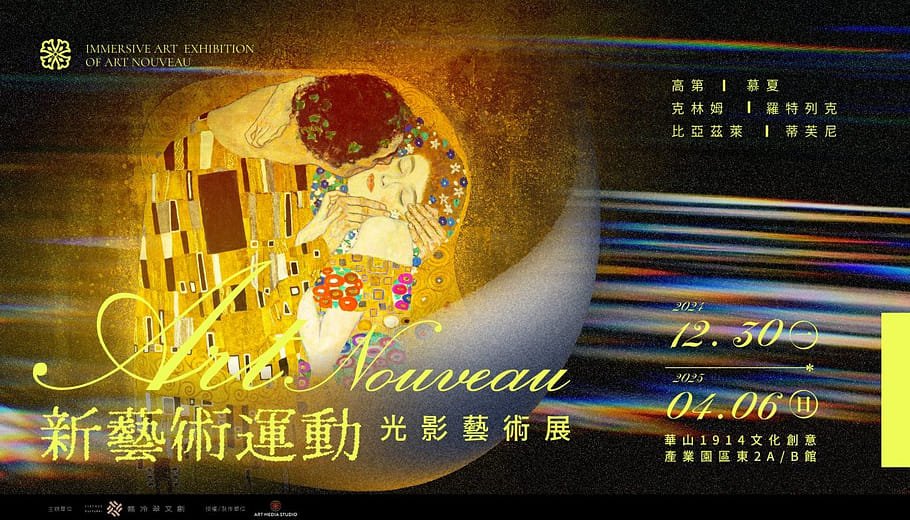
Art Nouveau emerged in the late 19th and early 20th centuries, roughly spanning from 1890 to 1910.This artistic movement defied categorization, resisting unified styles and singular definitions. Like a burst of dazzling fireworks, it captivated audiences with its decorative art inspired by natural elements, characterized by flowing, elegant lines. Art Nouveau sought to integrate beauty into every aspect of life, leaving enduring traces in paintings, sculptures, jewelry, architecture, and home décor that resonate even today.
The roots of Art Nouveau can be traced to the 1870s, when British textile designer William Morris spearheaded the Arts and Crafts movement. His emphasis on handcrafted design and rejection of mass-produced, detail-lacking industrial goods laid the groundwork for the emergence of Art Nouveau.
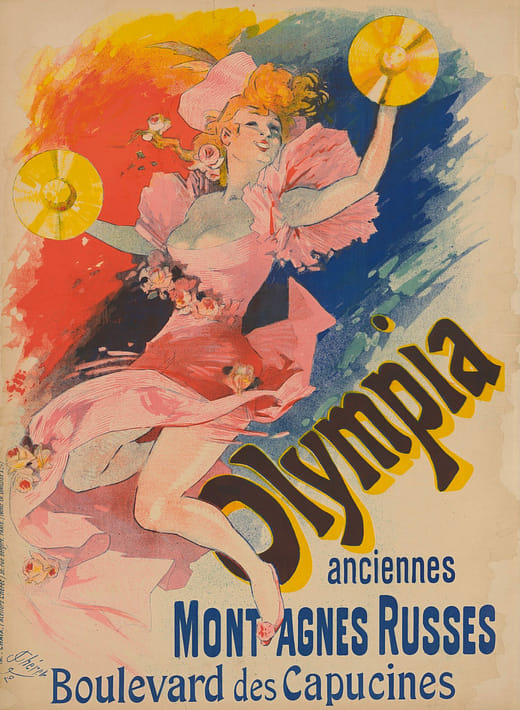
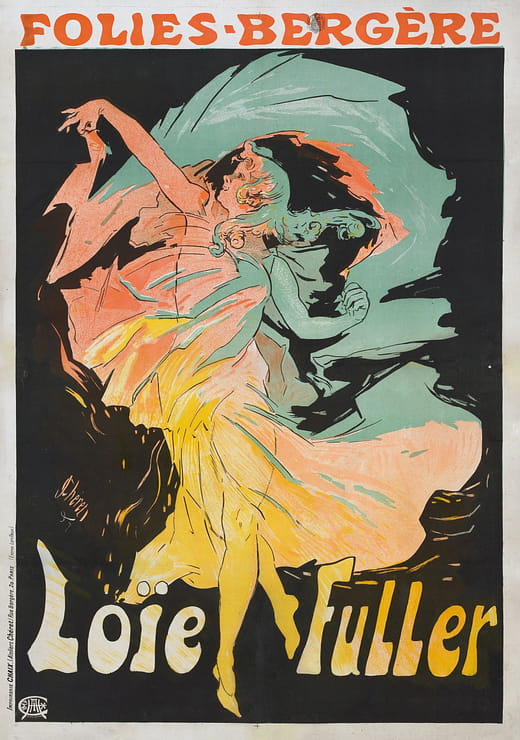
Soon after, other visionary artists and designers came to the fore. In the 1870s, Jules Chéret revolutionized modern poster art with his depictions of joyful women in the "Chérettes" style, setting a milestone in Parisian advertising.
In 1878, French artisan Émile Gallé showcased his groundbreaking transparent glasswork at the Paris World Fair (Exposition Universelle et internationable de Paris,) heralding a new era in glass art.
The influx of Eastern culture into Europe after 1880 introduced fresh artistic ideas, notably the flat compositions of Japanese ukiyo-e prints. These challenged traditional Western emphasis on perspective and depth, sparking innovative creative approaches.
By the 1890s, the term Art Nouveau was widely recognized, and key figures began to emerge.
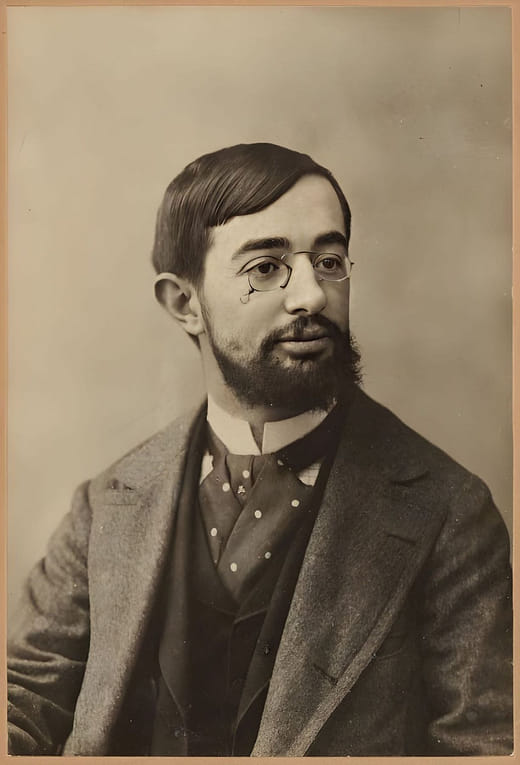
In 1891, French poster artist Henri de Toulouse-Lautrec rose to prominence, and in 1893, Belgian architect Victor Horta designed the Hôtel Tassel in Brussels, regarded as the first true Art Nouveau building.
In 1894, German-French art dealer Samuel Bing opened the Maison de l'Art Nouveau gallery in Paris, providing a platform for numerous artists. The gallery’s name The New Art later became synonymous with this vibrant artistic era.
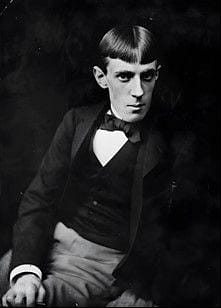
This period also saw the emergence of luminaries such as Czech national treasure Alphonse Mucha, British illustrator Aubrey Beardsley, and Austrian painter Gustav Klimt, leader of the Vienna Secession movement. Artists from German Jugendstil, Italian Stile Liberty, and other regional styles further enriched the diversity of Art Nouveau, each contributing their unique aesthetic.
By the early 20th century, Art Nouveau had reached its zenith. The 1900 Paris World Fair became an international showcase for the movement, featuring masterpieces such as the iconic Paris Métro entrances designed by French architect Hector Guimard. The works of Vienna painter Gustav Klimt and Spanish architect Antoni Gaudí further cemented Art Nouveau’s legacy, blending distinctive geometric and natural aesthetics.
As we journey through the annals of history and the evolution of art, prepare to immerse yourself in the unparalleled beauty and grandeur of the Art Nouveau movement.