1950–1980:From Birth to the Prime of the Folk Song Era
In 1975, Yang-Hsien set the poet Yu Kwang-Chung's poems to music and performed at the Chinese Contemporary Folk Song Concert, which was held at the Taipei Zhongshan Hall. In 1976, Lee Shuang-Che’s “Coke Bottle Incident” at the Tamkang University Folk Song Concert focused attention on the idea that one should “sing one’s own songs.” In no time at all, a new trend emerged—setting modern Chinese poetry to folk songs. Thus began the era of folk songs.
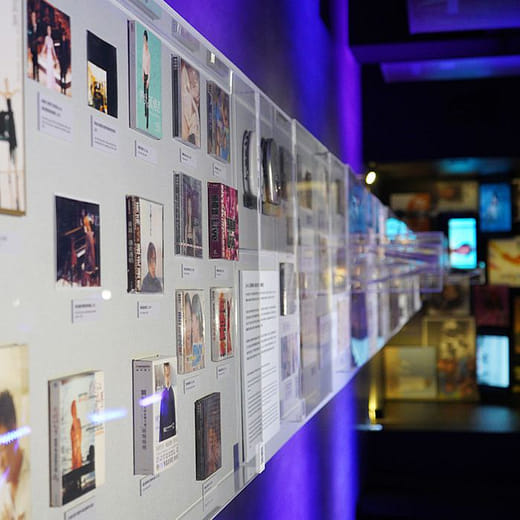
From 1977 to 1980, companies such as Synco Cultural Corporation and Hai Shan Record Co., Ltd, held competitions for folk song composition, some examples being the Golden Rhythm Awards and University Town. They also released compilation albums of award-winning singers, pushing the folk song movement to its peak.
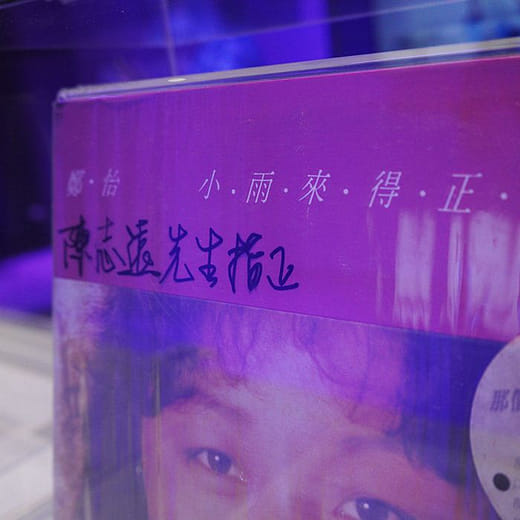
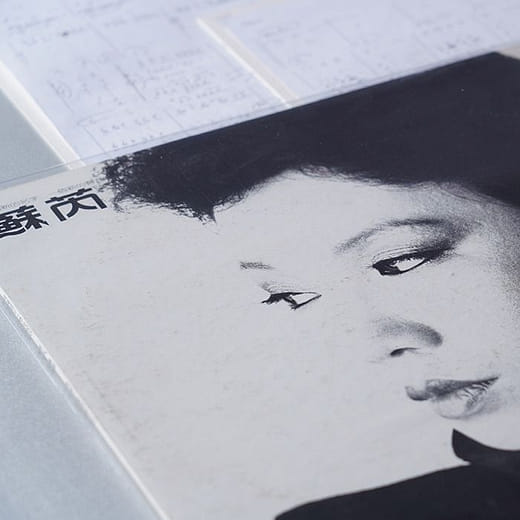
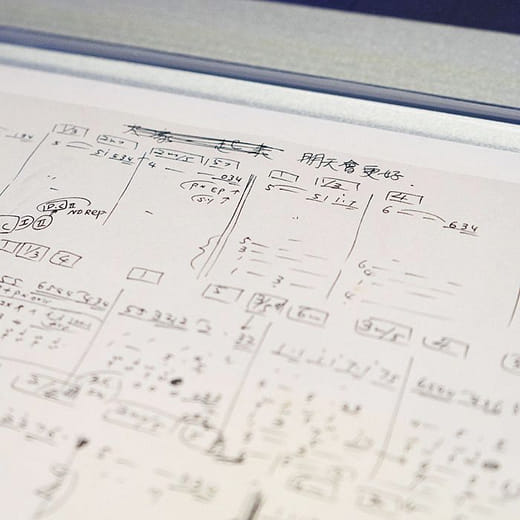
In 1976, Chen worked on the arrangement of the album “Chinese Contemporary Folk Songs 2,” which was produced by Yang-Hsien. Many of the 10 subsequent compilation albums were mostly arranged by Chen. These albums included a large number of the classic folk songs we are familiar with, all of them arranged by him, including “Legend of the Dragon,” “Grandma’s Penghu Bay,” “Orchid,” “Catch the Loach,” “Amei, Amei,” “Autumn Cicada,” “Temple Fair,” “Scenery in the Rain,” “Little Jasmine,” “Forgotten Time,” and “Emotions Set in the Wilderness.”
Generally speaking, folk songs were created by college students of the time. While creating them, the students could rely on only a single guitar for accompaniment. This made the presentation of the music rather weak. Chen, the arrangement master, would then add multiple instruments, using everything from stringed instruments and the piano to even tribal instruments or electronic music. His arrangements made the songs far richer, and their styles became unique and irreplaceable.