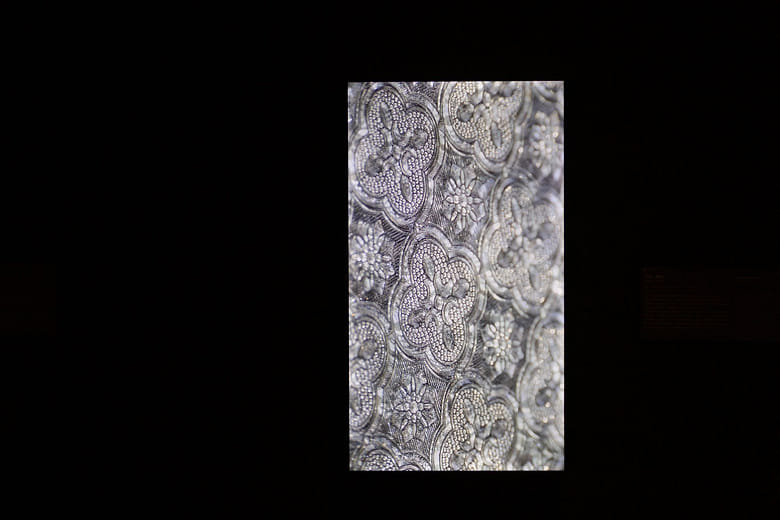
「歷史悠久的工藝作品,最具代表性的大概都在故宮展出了。這讓我開始好奇,如何在當代找到一種適合的創新方式,將這些傳統工藝帶入新的時代。」
"Traditional crafts with a long history are often showcased in the National Palace Museum, which got me thinking about how we can bring these crafts into the modern world in a new way."
早在研究所時期,闞凱宇便開始嘗試自造開源3D列印,並在2014年開始實驗陶瓷3D 列印,成為台灣最早將數位技術與陶藝結合的先驅之一。傳統的陶瓷工藝需要長時 間的手工訓練,然而3D列印則能迅速而精確地完成複雜的設計,這使得數位技術在 陶瓷創作中具備了無可比擬的優勢。透過機器控制,設計者能夠輕鬆實現許多傳統 工藝無法達成的精細紋理,這種以數位程序生長出的設計,在當時為作品賦予了全 新的視角。 不過,3D列印提供了巨大的創作自由,但對傳統工藝家而言,始終認為機器無法取 代手工精細的表現;相反的,掌握程式設計也不代表能純熟地進行創作,還需克服 陶瓷材料不如塑料穩定的狀況。為此,闞凱宇透過設立「Maker Bar」社群,透過多 方交流學習,逐步縮小傳統工藝與現代數位技術之間的鴻溝,為當代工藝開創更多可能性。
During his graduate studies, Kamm Kai-Yu began exploring self-made open-source 3D printing and, in 2014, ventured into ceramic 3D printing, becoming one of Taiwan's pioneers in merging digital technology with ceramics. Unlike traditional ceramic craftsmanship, which demands extensive training, 3D printing enables rapid and precise creation of complex designs, offering a clear advantage. Machine control allows designers to achieve intricate textures beyond the reach of traditional methods, introducing a fresh perspective to ceramic art through digitally generated designs.
While 3D printing offers great creative freedom, traditional artisans argue that machines cannot replicate the finesse of handcraft. Similarly, programming skills alone do not guarantee mastery of creation, especially given the challenges posed by the instability of ceramic materials compared to plastics. To bridge this divide, Kamm Kai-Yu founded the "MakerBar" community, promoting collaboration and learning to unite traditional craftsmanship with modern digital technology, unlocking new possibilities for contemporary craft.
闞凱宇 Kamm Kai-Yu
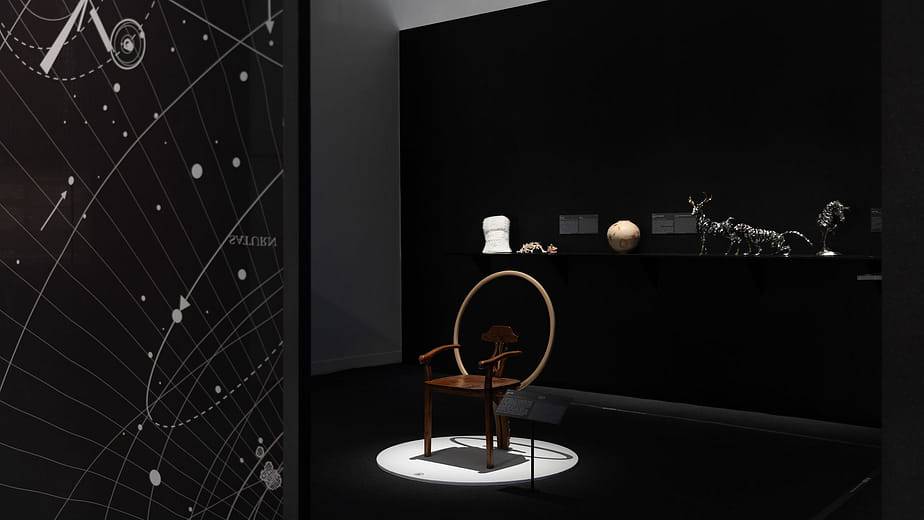
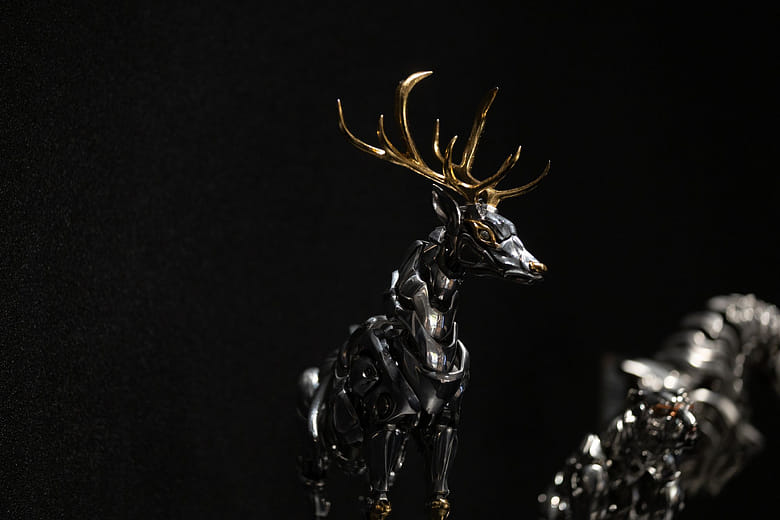
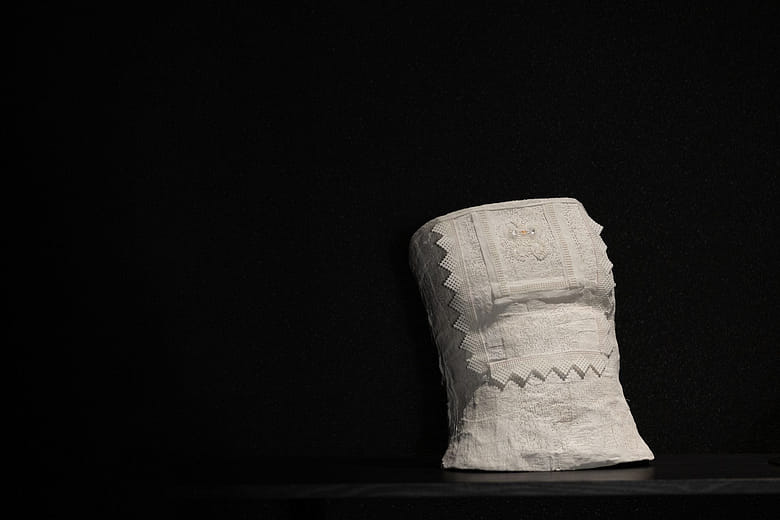
專注於數位工藝與創作者的互動關係,並創立了「衍象設計實驗室」與「創客吧」,致力於推動數位工藝實踐與社群共創。透過實驗與探索,推進科技與藝術的邊界。他的作品常聚焦於社會議題與當代技 術,並持續探索NFT等數位藝術形式,展現出對科技與文化的深刻洞察。 其中《位元陶》作品以數位技術回應傳統陶器工藝。透過設計運算和陶瓷3D列印技術,他將白瓷陶土逐層 堆疊,創造出獨特的數位工藝紋理,這些紋理是傳統手工製陶或工業量產難以實現的,將數位科技結合傳統 帶來創新。
Kamm Kai-Yu focuses on the relationship between digital craftsmanship and artists. He founded the FabCraft Design Lab and MakerBar Taipei, dedicated to promoting digital craft practices and collaborative communities. Through experimentation and exploration, he pushes the boundaries of technology and art. His works often center on social issues and contemporary technologies, with ongoing exploration of digital art forms like NFTs, showcasing a profound insight into technology and culture.
Among his notable works is Binary Pottery, which reinterprets traditional pottery craftsmanship through digital technologies. By employing design computation and ceramic 3D printing techniques, he layers white porcelain clay to create unique digital craft textures that are difficult to achieve through traditional handcrafting or industrial mass production, bringing innovation by merging digital technology with traditional artistry.