「我從事自然素材的創作,始終深感自然是一個偉大的生態系統,也提醒我以謙卑的態度去感受這份豐富的恩賜。」
"My work with natural materials always reminds me that nature is an amazing ecosystem, and it encourages me to embrace this beautiful gift with humility."
專注於月桃編織的工藝家潘雅莉,起初,她想探索陶壺與琉璃珠之外,排灣族未被廣泛關注的文化資產。偶然一次想起大學老師的提問,讓她回憶起父親編織月桃的情景,並促使她重新思考這種生活用品都能看見的月桃葉編織品,如何與族群生活息息相關。也讓她下定決心成立工作室,走進不斷探索月桃編織的世界。
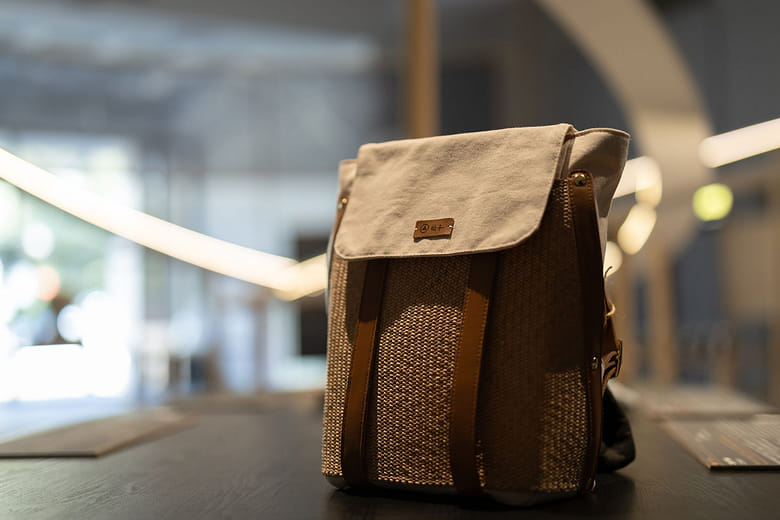
潘雅莉的托特包作品,運用十字編、井字編、人字編等技法,呈現月桃內斂穩重的文化特質。她更與日本設計師合作,為傳統月桃編織注入現代設計美學。除了技藝創新,潘雅莉致力於與部落長輩建立連結,每年10月至次年3月,她收購部落長輩們採集新鮮或曬乾的月桃葉,也在互動中吸收月桃的種植與採收知識。她相信,月桃編織不僅是手工藝,更是一種深刻的文化傳承。
Focused on native Alpinia leaf weaving, artisan Pan Ya-Li initially aimed to explore the lesser-known cultural assets of the Paiwan people, beyond pottery and glass beads. One day, a question from a university professor reminded her of her father weaving native Alpinia leaves, prompting her to reconsider how these leaf-woven items, often seen in daily life, are deeply intertwined with the tribe’s way of life. This inspiration led her to establish a workshop and immerse herself in the world of leaf weaving.
Pan Ya-Li’s tote bags feature techniques such as cross weaving, checkerboard weaving, and herringbone weaving, reflecting the understated, steady cultural traits of the native material. She has also collaborated with Japanese designers to blend modern design with traditional techniques. Beyond her innovative approach, Pan Ya-Li is committed to connecting with the elders of her tribe. Each year, from October to March, she purchases freshly collected or sun-dried Alpinia leaves from the elders, learning about the cultivation and harvesting process through their stories. She views Alpinia leaf weaving not only as craftsmanship but as a profound cultural legacy.
潘雅莉 Pan Ya-Li
潘雅莉,來自屏東縣瑪家鄉的排灣族工藝家,致力於推廣月桃編織文化。自小對月桃葉懷有深厚情感,並在家人與部落的支持下,毅然決然地投入月桃編織的學習與創作。她創立了「桃布里文化創作空間」,希望將月桃編織與現代設計相結合,創造出既具傳統韻味又符合現代審美的作品。
在潘雅莉的作品中,月桃編織不僅保留了排灣族的傳統工藝,還融入了異材質的元素,展現出獨特的時尚感。她的創作涵蓋各種生活用品,如本次展出的月桃托特包,並積極參與各種文化活動,推廣月桃編織的多元應用。她認為,月桃編織是「平民美學」,能夠結合人文情感與藝術表現,帶領現代人重新發現這項傳統工藝的價值。
Pan Ya-Li, a Paiwan artisan from Majia Township in Pingtung County, is deeply committed to preserving and promoting the cultural art of Alpinia (shell flower) weaving. Her passion for this craft began in her childhood, and with the unwavering support of her family and community, she embarked on a journey to learn and create using Alpinia weaving. She founded "Ngat Studio" with the goal of merging traditional Alpinia weaving techniques with modern design, producing works that blend the charm of tradition with contemporary aesthetics.
In Pan Ya-Li's creations, Alpinia weaving not only preserves the traditional craftsmanship of the Paiwan people but also incorporates elements from other materials, resulting in a distinct sense of fashion. Her work encompasses a wide range of practical items, including bags and accessories, and she actively participates in cultural events to showcase the versatility of Alpinia weaving. Pan believes that Alpinia weaving embodies a form of "everyday aesthetics," effortlessly combining human emotion with artistic expression, and invites modern audiences to rediscover the significance of this timeless craft.