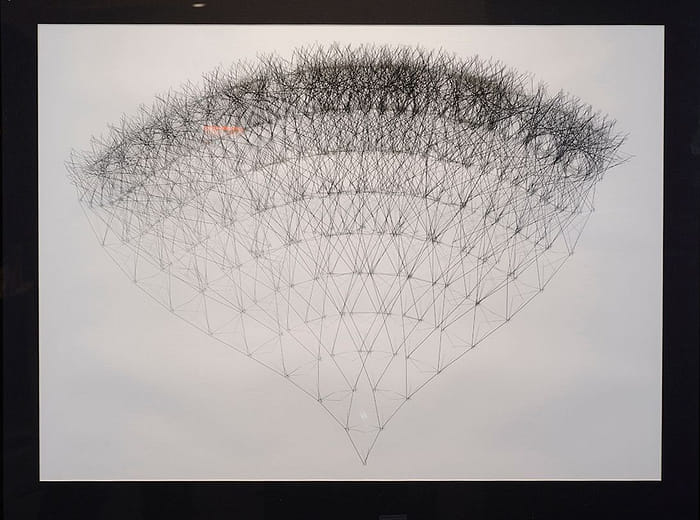
本動畫作品以系統運算(Systemic Computation)為基礎,透過衍生式規則(Generative Rules)與參數化設計(Parametric Design)探索非傳統的視覺表現形式。靈感源自對生物形態(Biological Morphology)的觀察與模仿,運用遞迴(Recursion)、碎形樹(Fractal Tree)與L-system等演算法機制,模擬植物的生長行為與結構,並結合細胞自動機(Cellular Automata)的即時生成特性,發展出互動式視覺動態系統,作為運算美學的實踐與探索。
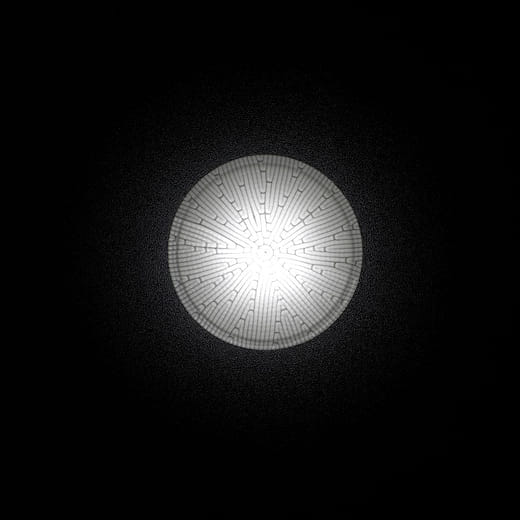
該系統更進一步延伸出兩個主要版本:其一為《Sensitive Floral》,結合細胞自動機即時生成互動機制,藉由觀眾行為觸發圖像變化,模擬植物反射性的連動反應。該版本於2024年奧地利電子藝術節(Ars Electronica Festival)Expanded Animation Conference on Animation and Interactive Art中榮獲優秀賞(Honorable Mention)。另一版本《Dandelion Mirror》,結合人臉辨識與互動資訊擷取(Data Capture)技術,透過參觀者臉部生物資訊分析與情緒表會驅動蒲公英圖像的生成。該作品於2015年米蘭設計週(Milan Design Week)衛星展(SalonSatellite)中榮獲第二名肯定。
This animation work is grounded in systemic computation, exploring unconventional forms of visual expression through generative rules and parametric design. Drawing inspiration from the observation and imitation of biological morphology, the project employs algorithmic mechanisms such as recursion, fractal trees, and L-systems to simulate plant growth behaviors and structural logic. It also incorporates the real-time generative nature of cellular automata to develop an interactive visual-dynamic system—serving as both a practice and an inquiry into computational aesthetics.
The system further evolved into two major versions: Sensitive Floral integrates real-time cellular automata and interactive mechanisms, allowing viewer behavior to trigger changes in the visual output, thereby simulating the reflexive responses of plants. This version received an Honorable Mention at the Expanded Animation – Conference on Animation and Interactive Art during the 2024 Ars Electronica Festival in Austria. Dandelion Mirror combines facial recognition and interactive data capture, using visitors’ biometric and emotional data to drive the generative behavior of dandelion-like visuals. This version was awarded Second Prize at the SalonSatellite exhibition during the 2015 Milan Design Week.