咖啡豆麻布袋研發環保板材 Environmentally-Friendly Panels Made From Coffee Bean Bags
社團法人春芽公益創新發展協會、國立臺灣大學-森林環境暨資源學系生物複合材料研究室
Spring Sprouts Innovations for Social Service, NTU-School of Forest & Resource Conservation Lab of Biocomposites
介紹
社團法人春芽公益創新發展協會與國立臺灣大學張豐丞教授的研究團隊,在咖啡業廢棄的進口原料豆袋上發現資源棄置的問題,他們從各自專業出發,分工投入永續循環的合作行動。
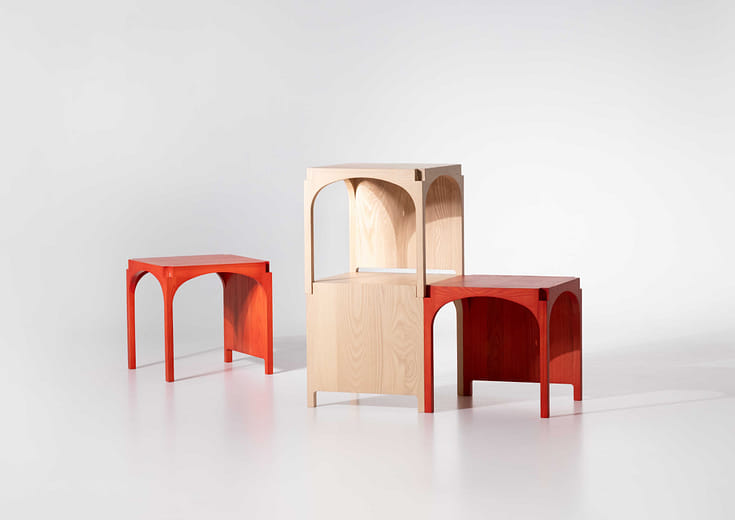
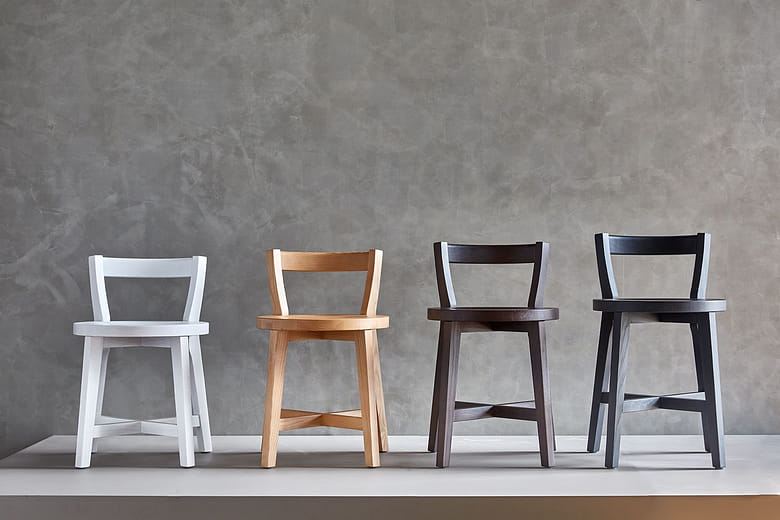
咖啡豆麻布袋優異的拉伸和抗彎能力,促使臺大團隊透過 VARTM 技術將其實驗開發為板材,不僅可運用在建築面板或結構補強上,也可以製成曲面家具和其他工藝製品。
而春芽公益協會以「Swing Reeds 蘆葦女力」品牌號召圖壤咖啡、路易莎咖啡等合作,從業者手上回收豆袋,再經由二度就業、銀髮樂齡和經濟弱勢的婦女剪裁縫製,化身永續時尚的生活良品後回流至咖啡店面認購、上架,不僅為廢棄豆袋找到再生用途,更成為串連社會弱勢培力就業的契機。
Spring Sprouts Innovations for Social Service and Professor Feng-Cheng Chang’s research team from National Taiwan University have identified resource disposal problems associated with wasted coffee bean bags. Both parties are using their expertise to collaborate in a perpetual cycle of sustainable action.
Coffee bean bags possess great flexibility and bending resistance. Leveraging these properties, the NTU team has developed panels using the VARTM (Vacuum-Assisted Resin Transfer Molding) technique. These panels can be used for architectural purposes, structural reinforcement, as well as for crafting curved furniture and other items.
Meanwhile, Spring Sprouts Innovations launched a collaboration called "Swing Reeds" with Cafetoland and Louisa Coffee. Together, they collect used coffee bean sacks from these businesses and repurpose them into sustainable fashion products. This is done through the tailoring and sewing efforts of women who pursue second careers, elderly, or economically disadvantaged. The finished products are then sold back in coffee shops. This initiative not only repurposes waste but also creates job opportunities for socially disadvantaged groups.